Coffee Brewing Methods Compared for Home
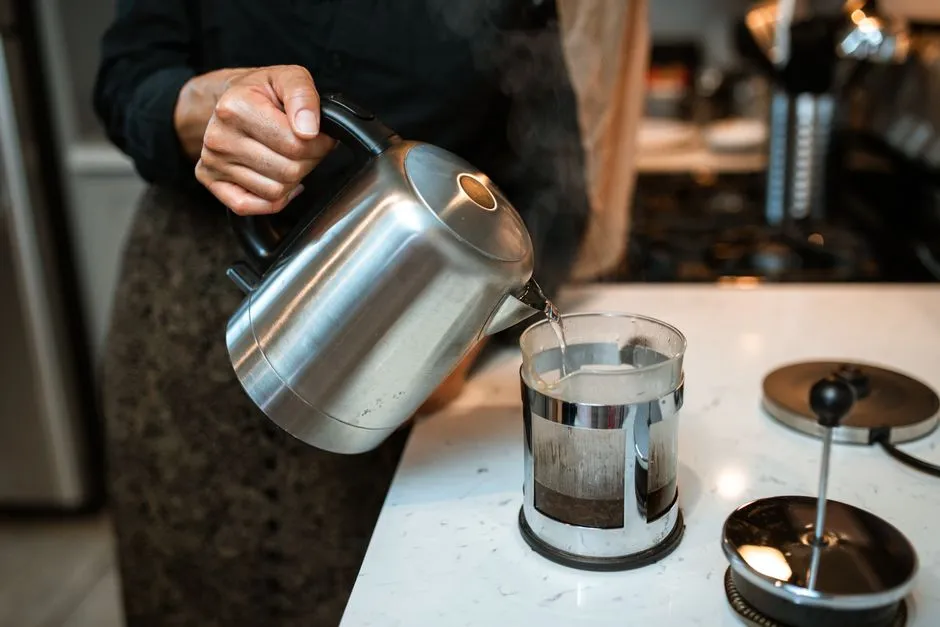
- Which coffee brewing method should you choose?
- Coffee brewing methods compared at a glance
- What is the difference between immersion and filter brewing?
- When does automatic drip make the most sense?
- Is pour over worth the extra attention?
- Why choose a French press?
- Who is an AeroPress best for?
- What should you know before choosing a moka pot?
- When is cold brew the practical choice?
- Is an espresso machine a brewing method or a hobby?
- How can you try a method before buying much?
- Sources
Which coffee brewing method should you choose?
Choose a coffee brewing method by deciding how many cups you make, how much attention you want to give each batch, what texture you enjoy, and how much cleanup fits your morning. Automatic drip is the easiest route for a pot. Pour over gives direct control over a paper-filtered cup. French press is simple immersion with more texture. AeroPress suits small, quick batches. A moka pot makes concentrated stovetop coffee. Cold brew trades speed for advance preparation.
This is a desk-researched comparison, not a product test. We reviewed current method instructions and coffee research on 3 September 2026. Exact capacity, heat source, filter, cleaning, and safety instructions vary by model, so the manual for the brewer in front of you always controls.
Coffee brewing methods compared at a glance
The table describes the practical shape of each method. Taste is not fixed by the brewer alone. Coffee, roast, water, ratio, grind, contact time, filter, and technique all change the cup.
| Method | How it works | Typical cup character | Best fit | Main tradeoff |
|---|---|---|---|---|
| Automatic drip | A machine sends heated water through coffee in a filter basket | Paper-filtered and easy to serve by the pot | Households, guests, repeatable weekday batches | The machine controls much of the water delivery and temperature |
| Pour over | You pour water through coffee held in a paper or reusable filter | Usually clear, with texture shaped by the filter | One or a few cups when you enjoy hands-on control | Requires attention during the pour |
| French press | Coffee and water steep together, then a mesh plunger separates most grounds | Fuller texture with some fine sediment possible | Simple immersion and flexible batch sizes | More grounds and oil remain than with a paper filter |
| AeroPress | Coffee steeps briefly before a plunger pushes it through a filter | A small filtered cup with recipe flexibility | One-person brewing, travel, and quick cleanup | Standard models make a limited batch |
| Moka pot | Stovetop heat creates pressure that moves water through coffee into an upper chamber | Concentrated and intense | Small, strong servings without an espresso machine | Hot metal, internal pressure, and model-specific care demand close attention |
| Cold brew | Coffee steeps in cool or room-temperature water before filtration | Concentrated or ready-to-drink, depending on the recipe | Make-ahead coffee served cold or diluted | Takes hours and needs storage space |
| Espresso machine | A powered machine forces water through a compact bed of finely ground coffee | A small, concentrated serving with crema possible | Espresso and milk drinks, when technique and maintenance are welcome | Highest equipment, adjustment, and cleaning commitment here |
There is no universal winner in that table. The best method is the one whose batch size, attention, texture, and cleanup you will repeat.
What is the difference between immersion and filter brewing?
In immersion brewing, grounds spend most of the brew in the same water. French press is the familiar example. You combine coffee and water, wait, then separate the liquid from the grounds. The method is easy to understand because the main controls are dose, water, grind, and contact time.
In gravity-filter brewing, fresh water moves through a bed of coffee and a filter. Automatic drip and pour over belong here. The filter material and the way water reaches the bed affect what reaches the cup. A paper filter usually removes more fine particles than a metal mesh. That is why method and filter should be considered together rather than treating the brewer name as a complete taste description.
Some devices combine ideas. AeroPress describes its standard process as fast immersion followed by air pressure and micro-filtration. A moka pot is not simply another pour over: heat and pressure move the water, and its safety valve and assembly are functional parts rather than optional details.
When does automatic drip make the most sense?
Choose automatic drip when you want several servings with little active work. Its advantage is repeatability once the coffee amount, water amount, and grind are settled. A basic machine may give you little control over water delivery, so clean removable brew-contact parts and follow its manual for descaling before replacing it.
The Specialty Coffee Association says certified home brewers undergo third-party testing against its standards for brewing quality, consistency, and performance. Certification is not necessary for a useful home machine, and it does not decide personal taste.
Is pour over worth the extra attention?
Pour over suits someone who wants a paper-filtered cup and does not mind supervising the pour. Kettle, grind, filter fit, and pouring pattern can all change the result.
Chemex instructions, for example, specify a folded paper filter, medium-coarse grind, initial wetting period, and slow pour. Those details belong to that brewer and filter. Use each dripper's own instructions rather than transferring one recipe to every cone.
Pour over does not automatically mean better coffee. It means more direct control and more active work. If you resent supervising breakfast, automatic drip may be more dependable in your kitchen.
Why choose a French press?
French press is the straightforward choice for immersion coffee. It needs no paper filter, can make more than one mug, and lets you keep the routine simple. The metal mesh leaves a different texture from a paper-filtered brewer, which some drinkers want and others do not.
Our French press guide covers the ratio, grind, temperature, timing, plunge, and decanting sequence. The broader coffee-to-water ratio chart explains how to scale a recipe. This comparison does not repeat those procedures because the useful decision here is whether you want immersion texture and a separate cleanup of wet grounds.
Inspect glass, plunger, mesh, and frame before use. Place the press on a stable, heat-resistant surface, follow its fill limit, and lower the plunger slowly without forcing it. Hot-water and glass instructions stay with the model manual.
Who is an AeroPress best for?
AeroPress works well for one person who wants a compact brewer, a short routine, and quick disposal of a small bed of grounds. The current AeroPress Original product page lists a 10-ounce capacity and describes it as a one-to-two-cup brewer. Other versions differ, so check the exact model rather than turning that capacity into a brand-wide rule.
The standard process uses a filter, a short immersion, and hand pressure. The manufacturer says pressing hard can compact the coffee and make pressing more difficult. Use a sturdy mug, steady the brewer as its instructions show, and press gently. The filter cap and coffee can be hot, so follow the model's removal and cooling directions.
Start with the manufacturer method and record one change at a time. Recipe flexibility is useful after the basic cup is consistent.
What should you know before choosing a moka pot?
A moka pot makes a small, concentrated stovetop coffee. It is not an espresso machine: the devices work at different pressures and produce different beverages. Choose moka when you want intensity and a compact stovetop routine, not because you expect cafe espresso without an espresso machine.
Pressure and hot metal make the manual non-negotiable. Bialetti's current Moka Express instructions say to fill water only to the specified level below the safety valve, loosely fill the funnel without pressing the coffee, use low to medium heat, and remove the pot from heat when it is ready. Its manual says the brewer develops pressure and failure to follow instructions can cause burns or bursting.
For any moka pot, use only the fuel or hob types, fill limits, coffee preparation, assembly, cleaning, and replacement parts specified for that exact model. Do not use a damaged brewer, obstruct a valve, open it while hot, or improvise a pressure change. If the valve, gasket, thread, handle, or body is damaged or behaves abnormally, stop using it and contact the manufacturer or its authorized service route.
When is cold brew the practical choice?
Cold brew moves the work away from the morning. Coffee steeps for hours, then is filtered and served as a concentrate or a ready-to-drink brew according to the recipe. It suits people who want a chilled, make-ahead batch and have room for the brewer and finished coffee.
Toddy's current home instructions use coarse coffee, its brewer and filter, an 8-to-24-hour steep, and a starting dilution for concentrate. That is a Toddy recipe, not a universal formula. Other cold brewers can require different ratios and filtration.
Clean and refrigerate the finished brew as its recipe directs. Do not borrow one system's shelf-life claim for another homemade recipe.
Is an espresso machine a brewing method or a hobby?
Espresso asks more from the user than the other methods here. La Marzocco's home guide treats pressure, temperature, dose, tamping, grind, and liquid yield as interacting variables.
Choose it when espresso or espresso-based milk drinks are the goal and you welcome the learning and maintenance. Skip it when you simply want a strong mug. Moka, AeroPress concentrate, and stronger filter coffee are not espresso.
Powered machines, steam, hot metal, and mains electricity require the exact manual. Do not remove covers, bypass interlocks, or perform internal electrical or pressure repairs. Use the manufacturer's qualified service route for faults.
How can you try a method before buying much?
Start with the job, not the object:
- Write the usual batch size.
- Decide whether you want paper-filter clarity or more texture.
- Mark the active time you will honestly give it on a weekday.
- Note whether you want coffee now or can prepare it hours ahead.
- Decide how much wet-ground and filter cleanup is acceptable.
- Check the storage footprint, consumable filters, and exact heat source.
If a friend already owns the method, ask to make one batch together. Use a shared kitchen or retailer demonstration where that is genuinely available. For pour over, you may be able to try a simple cone before considering a larger carafe system. Do not improvise a pressure vessel, modify a moka pot, or substitute a random container for equipment designed to hold hot liquid.
The final test is ordinary: can you picture doing the whole routine, including cleanup, on a rushed morning? A method that makes a beautiful cup only on a relaxed Saturday is still a good method. It is simply not your weekday method.
Sources
- Specialty Coffee Association: Certified Home Equipment, accessed 3 September 2026. Supports third-party testing against SCA standards for brewing quality, consistency, and performance.
- Specialty Coffee Association: Towards a New Brewing Chart, accessed 3 September 2026. Supports the interaction among brew ratio, strength, extraction, sensory description, and consumer preference, including the limits of a one-size-fits-all ideal.
- Chemex: Classic Series Support, accessed 3 September 2026. Supports the Chemex-specific paper-filter, grind, wetting, and pouring description.
- AeroPress: How It Works, accessed 3 September 2026. Supports the manufacturer's description of fast immersion, air pressure, and micro-filtration.
- AeroPress: Original Coffee Maker, accessed 3 September 2026. Supports the model-specific 10-ounce, one-to-two-cup capacity.
- AeroPress: Frequently Asked Questions, accessed 3 September 2026. Supports the instruction to press gently rather than compacting the coffee with excessive force.
- Bialetti: How to Use the Moka Express, accessed 3 September 2026. Supports the Moka Express fill, coffee, heat, and removal sequence.
- Bialetti: Moka Express Instruction Manual, 2021 edition, accessed 3 September 2026. Supports the pressure, burn, valve, damage, hot-surface, and manufacturer-routing safety statements.
- Toddy: Home Cold Brew Instruction Manual, accessed 3 September 2026. Supports the named device's coarse grind, 8-to-24-hour steep, filtration, and concentrate-dilution instructions.
- La Marzocco Home: The Essential Guide to Mastering Espresso at Home, accessed 3 September 2026. Supports the listed espresso variables and pressure-based method description.