Why French Press Coffee Tastes Bitter or Muddy
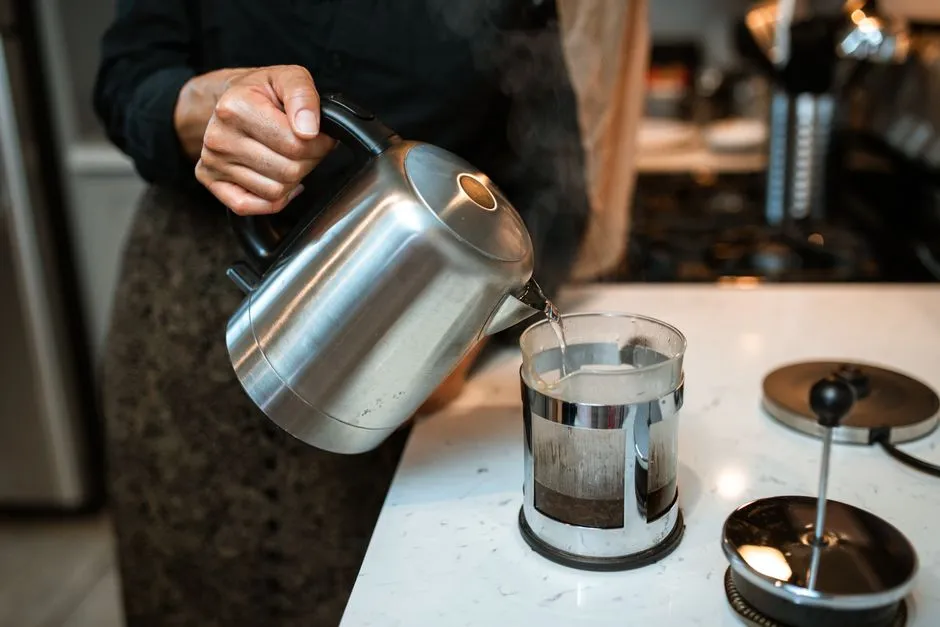
- Why does French press coffee taste bitter or muddy?
- Is the problem bitterness, strength or sediment?
- Is the grind too fine?
- Did the coffee steep too long?
- Is the water hotter than the recipe calls for?
- Did the brewed coffee stay on the grounds?
- Is the filter dirty or assembled incorrectly?
- What one-change troubleshooting routine works?
- What should a balanced cup taste like?
- Sources
Why does French press coffee taste bitter or muddy?
French press coffee usually tastes bitter when extraction has gone too far for that coffee, often because the grind is too fine, the steep runs long, the water is hotter than the recipe calls for, or the brewed coffee remains on the grounds. A muddy cup is different: excess fine particles are passing through the metal filter. Fix the symptom you actually have and change one variable at a time.
Start with a written baseline rather than trying several remedies at once. Weigh coffee and water, use a medium-coarse to coarse starting grind, time the steep, press without force and pour the whole batch when it is ready. Once that routine repeats, one careful adjustment can tell you something.
Is the problem bitterness, strength or sediment?
Taste and texture can point toward different causes.
- Bitter or harsh: the unpleasant flavour dominates after swallowing and may leave a drying finish. Investigate grind, time, water temperature and contact with the grounds.
- Too strong: the cup feels more concentrated or heavy than you enjoy, but it is not necessarily harsh. Check the coffee-to-water ratio before blaming extraction.
- Muddy or gritty: visible silt or a powdery texture reaches the cup. Look at fine particles, grind consistency, filter fit and filter cleanliness.
- Full-bodied: a French press normally passes more material than a paper filter. A little sediment is not automatically a fault if the cup is pleasant.
Fellow's guide to choosing a French press describes higher sediment as a normal disadvantage of metal filtration while distinguishing slight sediment from a gritty or muddy result. That boundary matters: chasing paper-filter clarity from an ordinary metal press can lead you to change a brew that already tastes good.
Is the grind too fine?
A fine-heavy grind can create both complaints at once. Smaller particles extract faster and are more able to pass through a metal screen, so the cup may taste harsh and feel silty.
Fellow's coffee brewing introduction recommends a medium-coarse to coarse French press grind. It says medium-to-fine grounds can contribute bitter flavours through over-extraction and can pass through the filter as extra sediment. A separate Fellow French press and sieve guide identifies undersized particles, commonly called fines, as a source of mud and excess silt.
If the dose, water and steep are already measured, move the grinder one meaningful step coarser. Brew again without changing the ratio or time. If bitterness and silt both fall, the grind was doing useful explanatory work. If the cup becomes weak while remaining muddy, inspect grinder consistency and the press filter rather than continuing coarser indefinitely.
Never force a resistant plunger. Hot coffee can escape around a binding filter. Stop, keep the spout pointed away from people and follow the press manufacturer's instructions. ESPRO's press FAQ says a hard-to-press filter can indicate coffee that is too fine or screens clogged by fine particles or residue.
Did the coffee steep too long?
Time only becomes diagnostic when it is measured. “About four minutes” can quietly become six while breakfast is happening.
Use four minutes as a practical first test if it suits the maker's instructions. Fellow's current French press method uses 60 grams of coffee, 840 grams of water and a plunge at four minutes. That is one coherent manufacturer recipe, not a universal law for every roast and press.
If your measured four-minute batch is still bitter, do not shorten the time, cool the water, reduce the dose and change the grind together. Hold the ratio and water method steady, then try a coarser grind first. If you specifically suspect time because the timer ran long, repeat the original settings with the intended endpoint before redesigning the recipe.
Is the water hotter than the recipe calls for?
Use the temperature stated by the coffee or press recipe you are following. Fellow's French press method heats water to 205°F. Its broader brewing guide warns that scalding water can extract flavour too quickly and add an unpleasant bitter taste.
If you poured immediately from a vigorous boil and the other measurements are controlled, repeat with the cited 205°F starting point or the temperature in your press manual. Do not estimate several temperature changes by waiting an unmeasured number of minutes; a thermometer makes the comparison clearer.
Water is not the first suspect for every bitter cup. A fine grind, long steep or incorrect dose can remain wrong at a lower temperature. Verify the easy measurements before turning temperature into the only explanation.
Did the brewed coffee stay on the grounds?
Pressing an ordinary metal screen does not necessarily remove the brewed coffee from contact with the grounds. Fellow identifies bitter over-extraction as a risk when coffee sits in a French press after brewing. ESPRO likewise advises pouring brewed coffee from a conventional press when the brew is complete in its French press comparison.
Pour both servings immediately. If you are not drinking the remainder at once, transfer it to a separate clean server. Do not leave the second cup in the carafe while drinking the first and then compare them as if they had the same contact time.
Some presses use a sealed filtration design intended to separate brewed coffee from the grounds after plunging. Follow the instructions for the model you own rather than assuming every plunger behaves the same way.
Is the filter dirty or assembled incorrectly?
Old particles and residue can affect flavour, while a blocked or poorly seated filter can make plunging difficult and allow more material around the screen.
After the press cools, disassemble only the parts the manufacturer tells you to remove. Wash and rinse them using the maker's care instructions, inspect the mesh for trapped particles or damage, and reassemble it in the stated order. ESPRO tells owners of its double filter to separate the filter pieces and wash each one after use, because both contact coffee grounds.
Cleaning is not a reason to improvise with an abrasive, chemical or dishwasher cycle the manual does not permit. Materials and coatings differ. The correct routine belongs to the specific press.
What one-change troubleshooting routine works?
Begin with the repeatable method in our guide to making French press coffee, then record one baseline batch:
- Weigh the coffee and water. A 1:15 ratio is a practical editorial starting point; our coffee-to-water ratio guide shows the calculation.
- Use a medium-coarse to coarse grind and record the grinder setting.
- Use a measured water temperature that matches the chosen recipe.
- Time the steep and pour the full batch at the endpoint.
- Note bitterness, strength and sediment separately.
- Change only the variable that best matches the symptom, then repeat.
For bitterness plus mud, try one coarser grind step. For bitterness after an accidentally long steep, repeat at the intended time. For a cup that becomes harsher while sitting, transfer it immediately. For persistent silt with an appropriate grind, clean and inspect the filter. For a cup that is simply too concentrated, change the ratio rather than disguising it as a grind problem.
What should a balanced cup taste like?
There is no universal flavour score. A useful result is one in which the coffee's sweetness, acidity, roast character and bitterness feel proportionate to you, with the body you expect from a metal-filter brew and no distracting grit.
Write the verdict in plain sensory terms: “pleasant but too heavy,” “harsh after swallowing,” or “flavour is good, texture is silty.” Those notes tell you what to adjust. “Bad” does not.
The aim is not to remove every trace of bitterness or sediment. Both can be normal parts of coffee and French press texture. The aim is to stop one unpleasant feature from dominating, using a change you can repeat.